Why Removing the Thermostat Won’t Solve Overheating
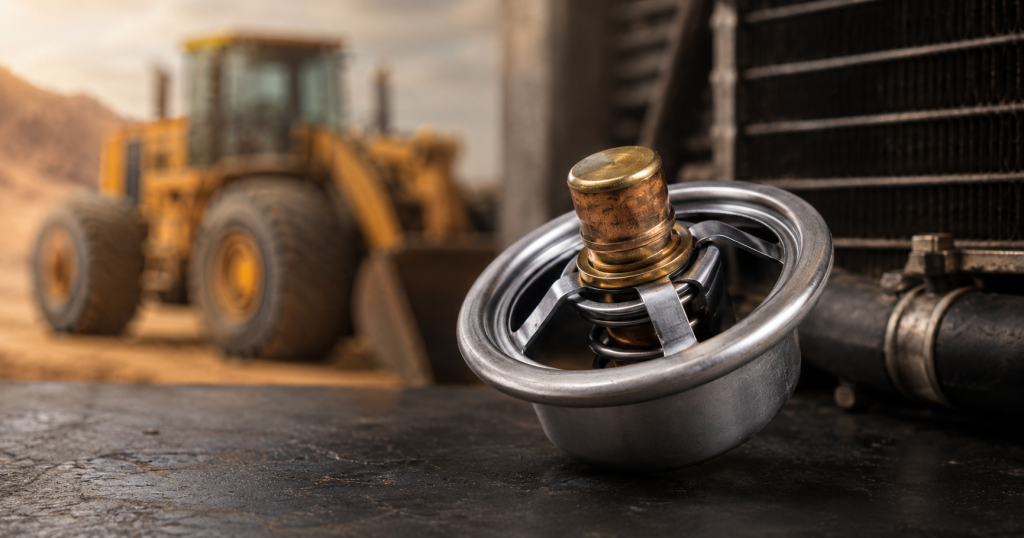
Heavy equipment operating in the Middle East works under demanding conditions. High ambient temperatures, dust, heavy loads and long working hours all place additional pressure on the engine cooling system.
When an excavator, wheel loader, bulldozer, motor grader or generator set begins to overheat, the thermostat is sometimes blamed. Some mechanics remove it in the belief that continuous coolant circulation will help the engine run cooler.
It may sound logical, but it isn’t a recommended solution.
The thermostat is a temperature-control component. It isn’t simply an obstruction to coolant flow.
What does the thermostat do?
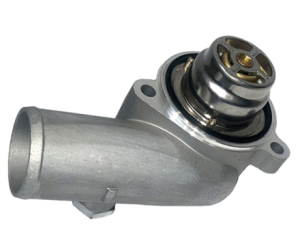 The thermostat regulates the flow of coolant between the engine and radiator according to the engine temperature.
When the engine is cold, the thermostat remains closed or partially closed. This allows the engine to reach its correct operating temperature more quickly.
As the engine warms up and reaches the specified temperature, the thermostat opens progressively. Coolant can then flow through the radiator, where heat is released before the coolant returns to the engine.
The thermostat continues to adjust the flow to keep the engine within its designed operating-temperature range. This matters in every climate, including the extreme heat of the Middle East.
Why removing it can create more problems
Removing the thermostat doesn’t necessarily improve cooling. The engine and its cooling system have been designed to operate with the correct thermostat in place.
Without it:
- The engine may take longer to reach its correct operating temperature.
- It may operate below its designed temperature under certain conditions.
- Coolant may not circulate through the engine and radiator as the manufacturer intended.
- Cooling-system efficiency can be reduced.
- Fuel consumption and emissions may increase.
- The engine oil may not reach its optimum operating condition.
Most importantly, removing the thermostat doesn’t identify why the engine is overheating. It may temporarily change how the system behaves, but the actual fault remains.
Continued operation could then lead to more serious engine damage and considerably higher repair costs.
What should be checked when an engine runs hot?
Overheating can have several causes. A proper inspection should include:
- Radiator and oil cooler cleanliness
- Coolant level and the correct coolant mixture
- Water pump condition
- Thermostat condition and operation
- Radiator cap pressure
- Fan and fan clutch operation
- Belts and hoses
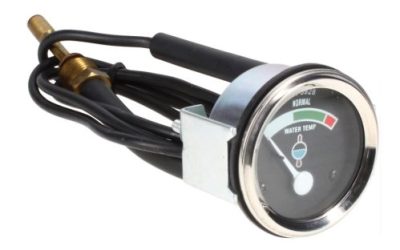
- Temperature sensors and gauges
- Engine timing and fuel-system operation
The operating environment must also be considered. Dust and debris can restrict airflow through the radiator and oil cooler, while worn hoses, loose belts or an incorrect coolant mixture can reduce the system’s ability to manage heat.
The engine should be allowed to cool before the cooling system is inspected. Never remove a radiator or expansion-tank cap while the system is hot and pressurised.
Diagnose the cause, don’t remove the control
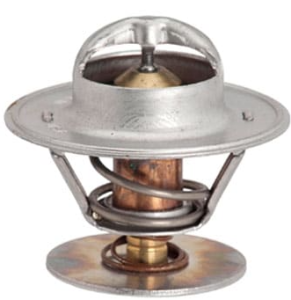 If the thermostat is faulty, it should be replaced with the correct component specified for the engine. Its opening temperature and operation should be checked against the manufacturer’s specifications.
Removing it as a routine response to overheating isn’t advisable, even in the Middle East’s hot climate.
A thermostat is a small and relatively inexpensive component, but it plays an important role in protecting a large and costly engine. When equipment is overheating, the right approach is to inspect the complete cooling system and address the actual cause.
Better diagnosis protects the engine, reduces unnecessary downtime and helps avoid a much larger repair bill.