Safety in Parts & Battery Warehouses: Building Protection Into Every Process
In heavy equipment parts and battery warehouses, safety isn’t a compliance exercise — it’s an operational priority.
Handling large machinery components and industrial batteries comes with inherent risks. From heavy lifting and repetitive strain to forklift traffic and battery storage hazards, these environments demand structure, discipline, and shared accountability.
As outlined in our internal safety guidance , understanding the risks is the first step toward preventing them.
Heavy Lifting and Manual Handling
Machinery parts and batteries are often oversized, dense, and awkward to handle. Without proper lifting techniques, mechanical aids, and team coordination, musculoskeletal injuries can quickly become one of the most common workplace incidents.
Prevention starts with training — not just at onboarding, but continuously. Teams must be confident using lifting equipment, understanding load limits, and recognising when assistance is required. Strain injuries are rarely caused by a single event; they are usually the result of small, repeated shortcuts.
Equipment and Warehouse Traffic
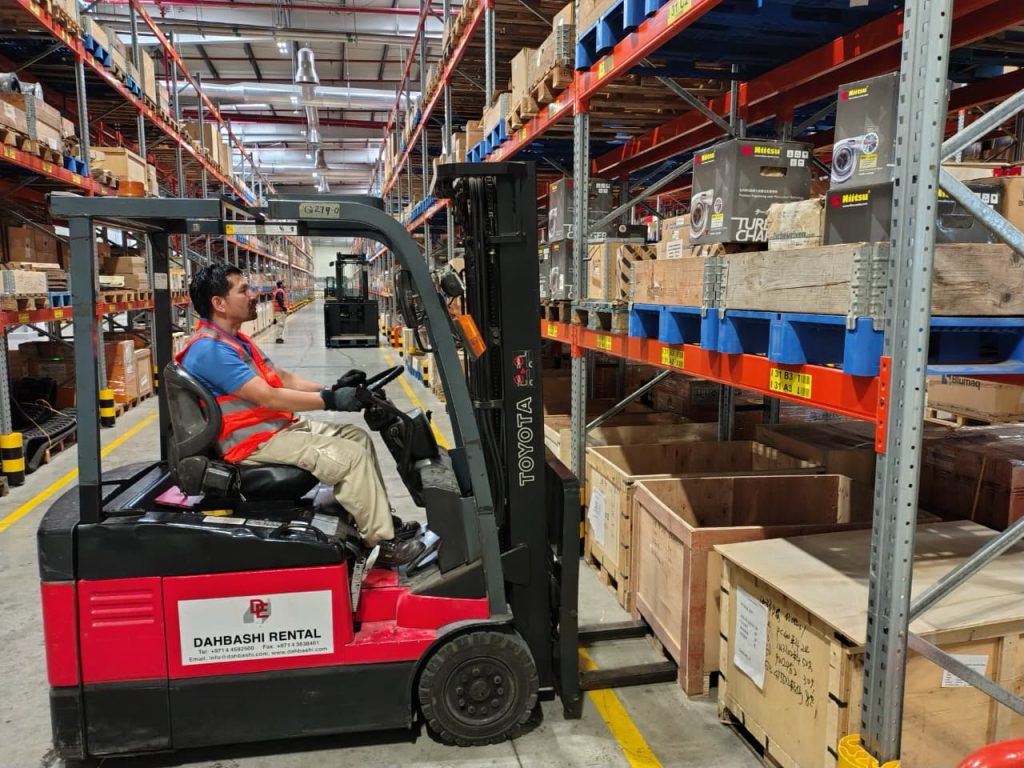
Forklifts, pallet jacks, order pickers, and racking systems are critical to productivity. However, they also represent significant risk when visibility, spacing, or operator discipline is compromised.
Clear aisles, structured traffic flow, routine inspections, and visible signage are not optional extras — they are safeguards. Battery storage areas must also be monitored carefully, with inspection routines and spill response kits readily accessible.
Culture Over Compliance
Safety policies alone do not prevent incidents. Culture does.
When team members feel responsible for reporting damaged equipment, unsafe conditions, or near-misses — without hesitation or fear — risks are addressed early. Staying alert to moving vehicles, alarms, and environmental changes reduces avoidable incidents.
In heavy equipment operations, efficiency and uptime matter. But they must never come at the expense of people.
A safe warehouse doesn’t happen by accident.
It is built into every process, every shift, and every decision