Powering a sustainable future
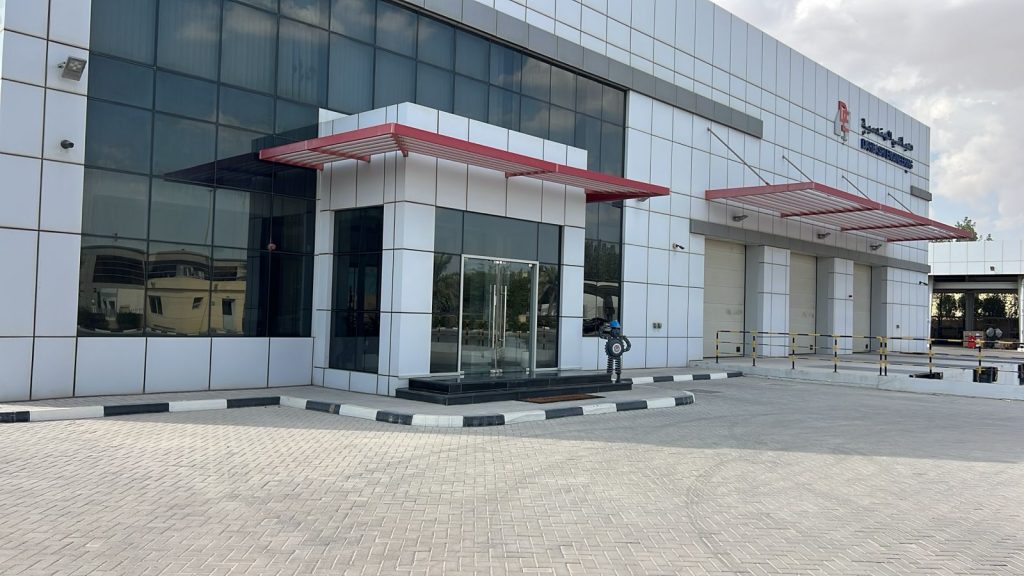
As the UAE continues its transition toward a cleaner energy mix, Dahbashi Engineering is taking a significant step in aligning its operations with the nation’s sustainability goals. The company is moving forward with the installation of an on-grid solar system at its Dubai Industrial City headquarters.
The system is being designed and implemented by Emirates Electrical Engineering (EEE), a UAE-based solar EPC provider, which will deliver the project on a turnkey basis including system design, government approvals, installation, and commissioning.
Once implemented, this initiative is a practical response to the twin challenges of rising operational costs and the need for environmental responsibility. By utilising the facility’s roof space, Dahbashi Engineering is integrating renewable energy into its daily operations through an innovative model that removes the traditional barriers of capital expenditure.
A strategic approach to energy
Sustainability in the industrial sector often requires balancing long-term environmental benefits with immediate commercial viability. For Dahbashi Engineering, this project achieves both. Under the Shams Dubai initiative, the new system is designed to feed renewable power directly into the grid.
The impact on operational efficiency is expected to be substantial:
- The solar installation is designed to cover approximately 50% of the company’s annual electricity consumption.
- The transition is estimated to result in a 30% reduction in electricity-related operational costs.
- The project uses a net metering system, where solar generation first offsets the facility’s own consumption, with any surplus fed back to the grid.
Navigating the regulatory landscape
The transition to on-grid solar is guided by clear regulatory frameworks. While previous regulations in the region limited such installations, current DEWA guidelines under Shams Dubai allow for on-grid systems with specific capacity caps to maintain grid stability.
This project also represents an evolution in the company’s technical approach. Dahbashi Engineering previously utilised an off-grid system for external lighting; however, high battery replacement costs eventually rendered that system impractical. On-grid solar provides a more reliable, maintenance-free alternative that ensures the commitment to green energy remains commercially sustainable over the long term.
Industry alignment and growth
The UAE solar market is witnessing rapid growth, with the solar photovoltaic sector estimated to reach over 66 gigawatts in 2026. This growth is driven by a pivot toward a cleaner energy mix where solar capacity is expected to absorb most new additions to the national power grid. Industrial leaders are increasingly moving toward such models as behind-the-meter solar can deliver tariffs significantly below standard grid rates.
Dahbashi Engineering is currently awaiting final approvals for the project, a process expected to take one to two months, followed by a six-month installation period. While regulations currently limit solar capacity at this site, this project represents the maximum possible utilization of renewable energy and serves as a blueprint for how the company intends to manage its footprint across its regional locations.