Wheel Rim O-Ring: Why This Small Seal Matters in Heavy Equipment
In heavy equipment maintenance, some of the most important components are also the easiest to overlook.
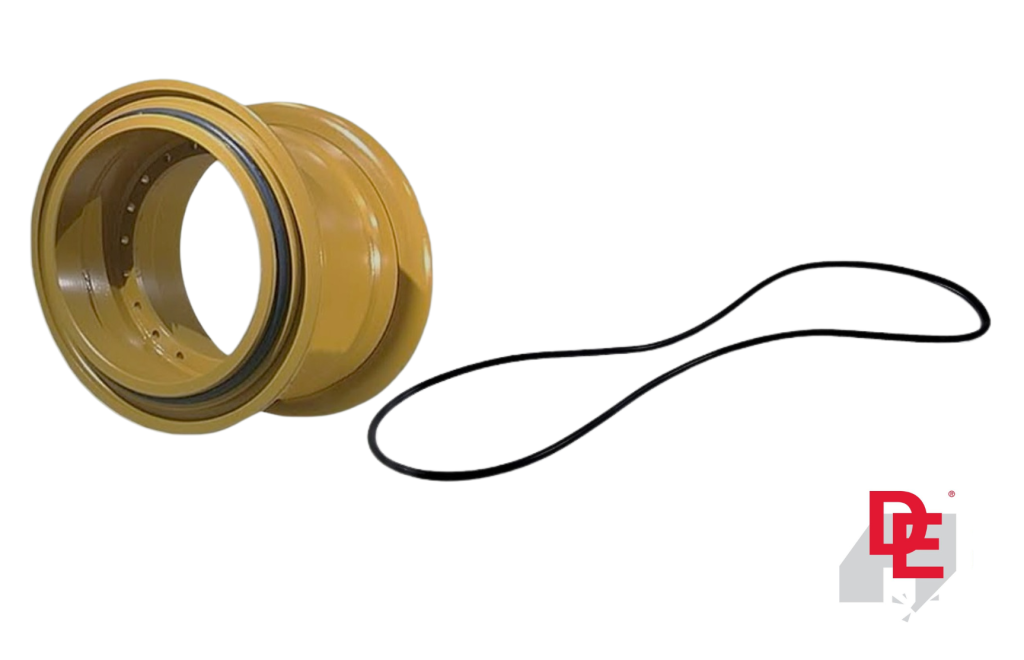
The wheel rim O-ring is one of them. This simple rubber seal sits between the sections of a multi-piece wheel rim and creates an airtight barrier that keeps compressed air inside the tire while preventing dust, moisture, and contaminants from entering the rim assembly.
Despite its modest size and cost, the condition of the wheel rim O-ring has a direct impact on tire performance, equipment reliability, and operator safety. When this seal begins to fail, the results can include frequent tire pressure loss, corrosion of rim components, and premature tire damage.
For machines such as wheel loaders, articulated dump trucks, motor graders, compactors, and backhoe loaders, maintaining the integrity of the rim seal is an essential part of tire maintenance.
Why This Small Seal Matters
The primary function of the wheel rim O-ring is to maintain an airtight seal between rim sections. When the seal performs properly, the tire maintains stable pressure and the internal rim components remain protected from contamination.
When the O-ring begins to degrade, however, several issues can arise.
- Preventing Tire Pressure Loss: A worn or hardened O-ring often causes slow air leakage. Operators may notice tires needing frequent inflation, while maintenance teams spend time diagnosing pressure loss. Even small air leaks can affect equipment performance. Underinflated tires increase rolling resistance, forcing machines to work harder and consume more fuel. Maintaining a healthy rim seal helps keep tire pressure stable and improves overall operating efficiency.
- Extending Tire Life: Tires represent one of the largest operating costs for heavy equipment. Maintaining proper inflation is critical for maximizing their lifespan. When tire pressure drops below recommended levels, internal heat builds up during operation. This can lead to sidewall cracking, tread separation, and premature tire failure. A properly functioning wheel rim O-ring helps maintain correct tire pressure and reduces unnecessary heat buildup.
- Protecting Rim Components: Air leaks also allow dust and moisture to enter the rim assembly. Over time, this contamination can cause corrosion of rim flanges, damage to bead seats, and seizure of lock rings. These issues can significantly increase repair costs and may eventually require full rim replacement. Replacing a worn O-ring helps protect the entire wheel assembly from these problems.
A Hidden Safety Factor
On high-load machines such as wheel loaders and articulated dump trucks, tire integrity is critical for safe operation.
Sudden pressure loss or rim assembly damage can affect machine stability, particularly when carrying heavy loads or operating on uneven terrain.
Maintaining the rim seal reduces the risk of these failures.
Ready for replacement
Unlike many mechanical components, wheel rim O-rings do not have a fixed replacement interval based on operating hours.
However, industry best practices recommend replacing the O-ring in the following situations:
- Every time the tire is removed or remounted
- During tire replacement
- When persistent tire pressure loss occurs
- If the O-ring shows cracks, flattening, hardening, cuts, or deformation
Because the component is inexpensive, replacing it during tire service is a simple preventive step that helps avoid repeated disassembly later.
Heat Changes Everything
Equipment operating in hot environments places additional stress on rubber sealing components.
High temperatures accelerate the aging of rubber elastomers, causing them to lose elasticity and become harder over time. As the material hardens, the O-ring becomes less effective at maintaining a proper seal.
Heat also increases the internal temperature and pressure inside the tire, placing additional stress on the sealing surfaces.
In desert environments, fine sand particles can penetrate compromised seals and accelerate wear on rim components.
For equipment operating in hot climates, more frequent inspection of wheel rim O-rings is recommended to prevent unexpected pressure loss and maintenance issues.
Small Part, Big Impact
The wheel rim O-ring may be a small and inexpensive component, but it plays an important role in maintaining tire pressure, protecting rim components, and supporting safe equipment operation.
By replacing the O-ring during tire service and inspecting it regularly, maintenance teams can prevent air leaks, extend tire life, and avoid costly rim damage.
In demanding environments, particularly hot climates, paying attention to this small seal can make a significant difference in equipment reliability and operating costs.